
Erectile dysfunction: understand and clarify the causes

Occasional erection problems can occur with fatigue, stress or unfamiliar situations. Recurring difficulties in achieving or maintaining an erection sufficient for desired sexual intercourse should be clarified by a doctor. A single situation does not allow a diagnosis or conclusions to be drawn about the quality of a relationship.
Causes at a glance
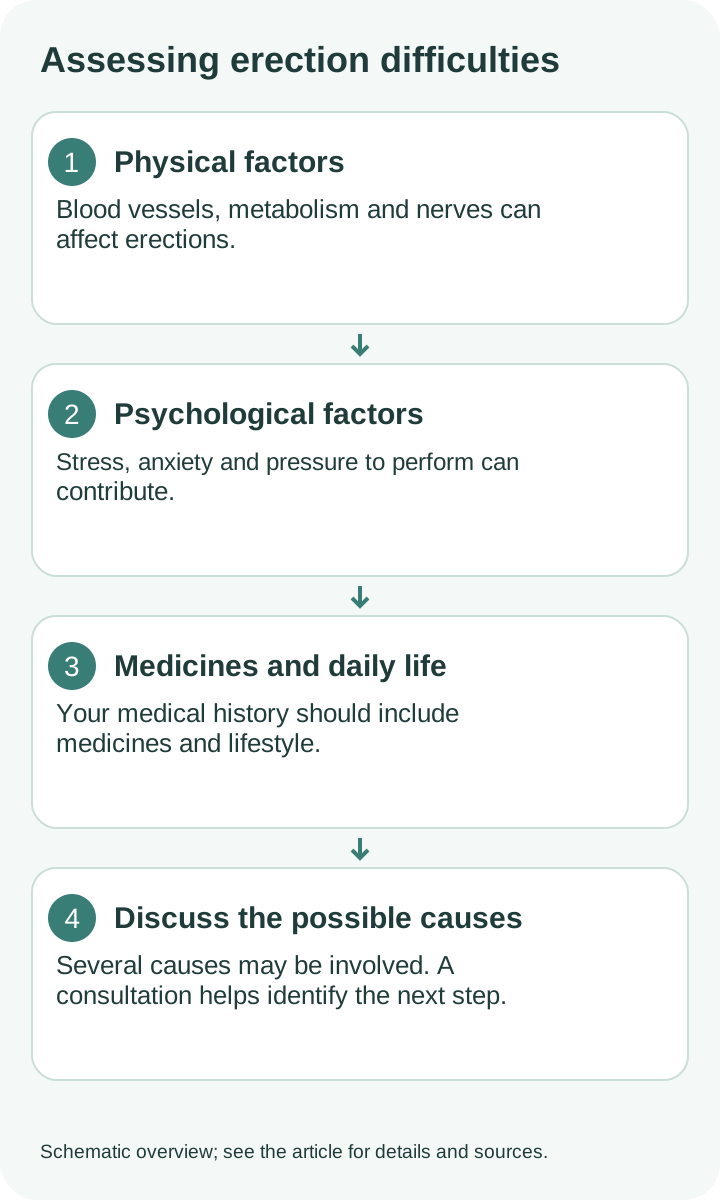
Schematic overview. The explanations and sources in the article also apply to this graphic.
What are the possible causes?
For an erection, nerves, blood vessels, hormones and arousal must work together. Diabetes, high blood pressure and other vascular diseases can affect this interaction. Neurological diseases, certain operations, hormonal disorders and side effects of medications are also possible causes. Erection problems can be a reason to examine previously unrecognized cardiovascular risk factors.
Physical and psychological factors often work together
Pressure to perform, fears or conflicts can trigger or intensify difficulties. Conversely, a physical change can cause new worries. The fact that an erection is possible in the morning or during masturbation provides information for the conversation, but does not reliably rule out physical causes. The guide about sexual fears and pressure to perform explains this connection in more detail.
What the medical assessment involves
At the beginning there are the symptoms and the personal history: How long have they existed, do they occur in all situations and have pleasure or sensation changed? There are also previous illnesses, medications, alcohol and other substances. A physical exam and cardiovascular risk assessment will help determine next steps.
Blood sugar or HbA1c, blood lipids and a morning testosterone level can be useful depending on the situation. Further investigations will depend on the findings. A single laboratory value does not replace the overall assessment. Special vascular examinations are not an automatic prerequisite for every treatment.
Short preparation makes the conversation easier
- Note the onset, frequency and typical situations of the symptoms.
- Bring a complete list of medications, including nutritional supplements and occasionally used agents.
- Mention chest pain, shortness of breath on exertion, changes in desire, and previous procedures.
- Describe what you expect from treatment and what stress the symptoms cause.
Which treatment can help?
The choice depends on the cause. Exercise, quitting smoking, and treating metabolic or vascular diseases can be part of a long-term plan. If you are experiencing psychological stress, counseling or sex therapy can help. Depending on the findings, prescription PDE5 inhibitors, vacuum aids or other urological treatments may be possible. The realistic expectations of erectile dysfunction medicines differ from promises of permanent healing.
PDE5 inhibitors do not automatically eliminate the cause and require sexual stimulation. Among other things, they must not be used together with nitrates or riociguat. Sildenafil, Tadalafil, Vardenafil and Avanafil for the treatment of erectile dysfunction require a prescription in Germany. The search for a simple solution should not replace clarification.
Frequently asked questions
Are erectile dysfunction always a sign of aging?
No. They can occur at different stages of life. Age alone does not adequately explain new symptoms.
Should I stop taking a potentially triggering medication?
Discuss your suspicions with the treating doctor. Stopping it yourself can be dangerous, especially if you have cardiovascular or mental illnesses.
When is immediate help necessary?
Chest pain, severe breathlessness or loss of consciousness require emergency help: call 112. An erection lasting four hours or longer also needs immediate medical attention. Recurring erection difficulties without these warning signs should be discussed at a routine medical appointment.
Related guides
- Sildenafil and Tadalafil: the main differences
- Erectile dysfunction medicines and interactions: what is important